Elektrotehniška in računalniška konferenca

ERK 202624. - 25. September 2026
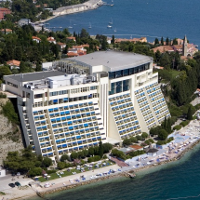
Hotel Bernardin, Portorož
Call for papers: 35th International Electrotechnical and Computer Science Conference ERK 2026
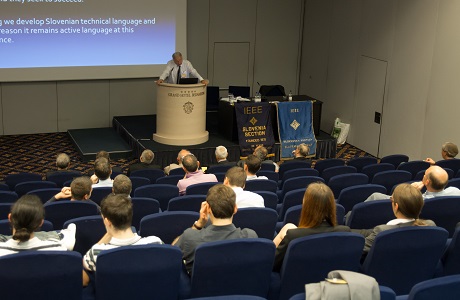
The ERK 2026 conference will be held on September 24-25, 2026 in Congress Center Bernardin, Portorož, Slovenia. The conference is organized by the IEEE Slovenia Section together with Faculty of Electrical Engineering University of Ljubljana and other Slovenian professional societies. The Conference is bilingual, with presentations in English and Slovenian.
| VP - Invited Lectures | CS - Computer Science |
| EL - Electronics | PR - Pattern Recognition |
| TC - Telecommunications | BM - Biomedical Engineering |
| AR - Automatic Control and Robotics | MM - Multimedia |
| SM - Modeling and Simulation | DI - Didactics |
| ME - Power Engineering | ST - Student Papers |
| MT - Measurement | AE - Acoustics and Electroacoustics |
Author info:
- Extended paper submission deadline: 21. July 2026
- Notification of acceptance: 24. August 2026
- Camera-ready: 7. September 2026
Vabilo na petintrideseto mednarodno Elektrotehniško in računalniško konferenco ERK 2026
Konferenca bo potekala v kongresnem centru Bernardin v Portorožu. Na konferenci bo od 24. do 25. septembra 2026 poleg rednih sekcij bogat vzporedni strokovni program v dveh dneh, zato Vas vzpodbujamo, da si vzamete čas in se v tej atmosferi informirate in pogovorite o novostih, trendih in možnosti razvoja naše stroke na specifičnih področjih, za katere in od katerih živite. Vabljena, pregledna in poučna predavanja bodo dopolnjevala osnovni program konference, kjer bodo raziskovalci poročali o svojih dosežkih pred kritičnim strokovnim forumom udeležencev. Delovna jezika sta slovenski, ker se negovanju slovenske tehniške besede ne moremo odpovedati, in angleški, s čimer vabimo vedno več udeležencev iz tujine. Na konferenci bodo zastopana naslednja področja:
|
|
Konferenco organizira Slovenska sekcija IEEE v sodelovanju s Fakulteto za elektrotehniko Univerze v Ljubljani in drugimi strokovnimi društvi. Članek naj obsega 4 strani in je napisan v slovenščini ali angleščini, vendar od avtorjem pričakujemo, da bodo v istem jeziku članek predstavili tudi na konferenci!
Študente SB Ljubljana in SB Maribor vabimo na tekmovanje študentskih prispevkov 2026 Slovenske sekcije IEEE.
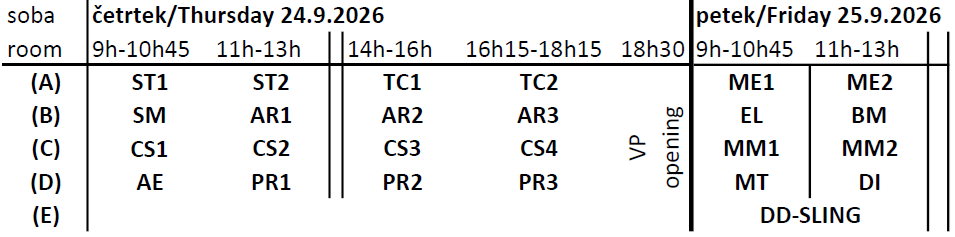
Urnik / Schedule
Spremljajoči dogodki
Četrtek / Thursday 24.9.2026
- 9h v A Študentsko tekmovanje / Student Competition (IEEE SB)
Otvoritev / Opening
- 18h30 v/in A Vabljeno predavanje / Invited Lecture
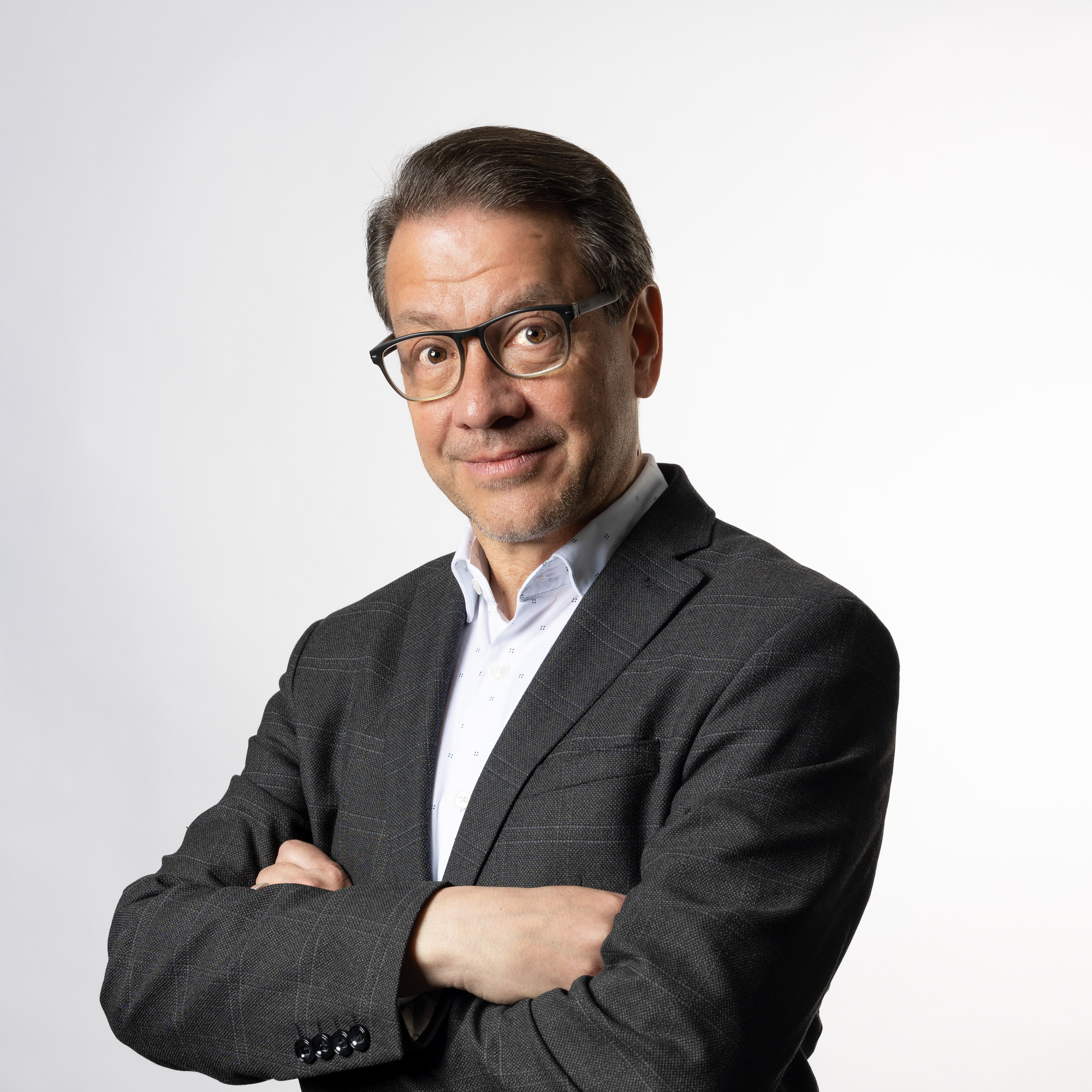
Carlos Kavka
Luxembourg Institute of Science and Technology
Closing the Loop: Simulation, Optimisation and Digital Twins for Intelligent Decision-Making
Abstract. The integration of simulation, optimisation, and digital twin technologies is redesigning the way complex systems are monitored, analysed and controlled. While each of these three components has a well-established research tradition in its own right, their integration opens new possibilities for real-time data-driven decision-making across a wide range of application domains.
This talk presents a unified perspective on how simulation, optimisation, and digital twins interact within a closed feedback loop. Starting from the conceptual distinction between digital models, digital shadows, and digital twins, we introduce a progressive framework in which digital twins evolve from passive virtual replicas to active decision-making platforms. We examine the core technical approaches that support this integration, including simulation-based optimisation, surrogate modelling and physics-informed modelling, and then discuss how they are deployed to support decisions at operational, tactical, and strategic levels.
Selected applications in the domains of logistics, smart cities and autonomous vehicles are presented with practical demonstrations, illustrating both the maturity and current limitations of the approaches. The talk concludes with a forward-looking discussion on emerging directions on autonomous decision-making and the associated critical regulatory and ethical questions raised by the EU AI Act.
Carlos Kavka received his PhD in optimisation from the University of Paris-Sud in 2005. He is currently working as Research Group Leader at the Luxembourg Institute of Science and Technology.
- 19h15 Zdravica ob otvoritvi / Opening ceremony toast
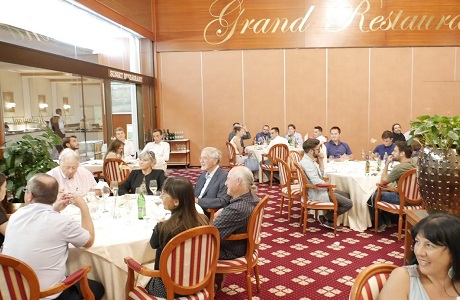
- 20h Restaurant GH Bernardin Konferenčna večerja / Conference Dinner
Petek / Friday 25.9.2026
- 9h v E Delavnica: Uporabljamo superračunalnike (SLING)
- 13h15 Kosilo / Lunch